
Do I Need an Architect for My Remodel? (A Scottsdale Homeowner's Guide)
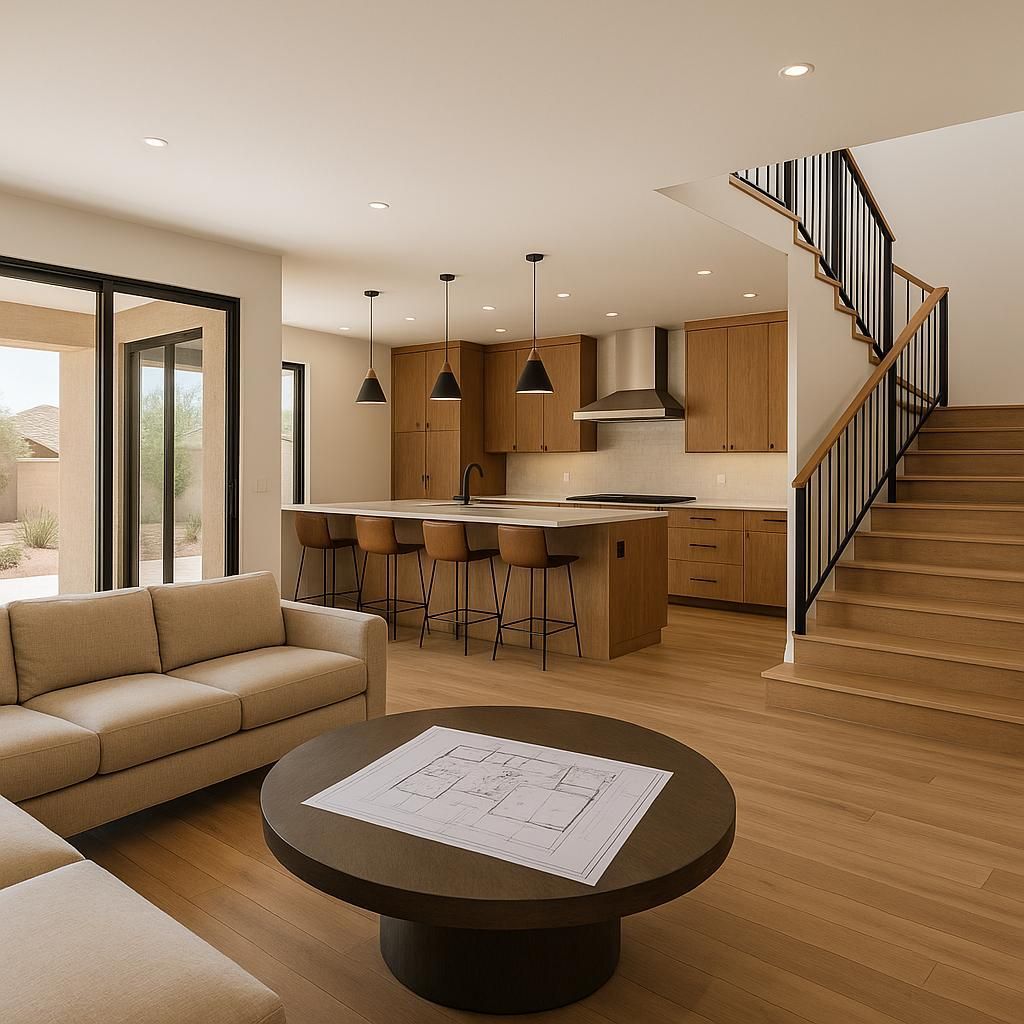
I had a call last month from a homeowner in Paradise Valley who'd just spent $18,000 on architectural drawings for her kitchen remodel.Beautiful drawings. Stunning, actually. The architect had designed this incredible space with a vaulted ceiling, relocated the entire kitchen to the other side of the house, and created what looked like something out of Architectural Digest.
Then she called three contractors for bids.
The lowest estimate? $285,000.
Her budget? $120,000.
She was devastated. And frustrated. And honestly, a little angry because nobody had told her upfront that what she was designing was going to cost more than twice what she had to spend.
This happens all the time in Scottsdale, Paradise Valley, Phoenix, and Arcadia.
And it's completely avoidable.
So when homeowners ask me, "Do I need an architect for my remodel?" I have a much longer answer than just yes or no. Because the real question isn't whether you need an architect. It's when you need one, and more importantly, who you should call first.Let me walk you through this the way I wish someone had explained it to that Paradise Valley homeowner before she spent almost twenty grand on plans she couldn't build.
When You Absolutely Don't Need an Architect
Let's start with the good news: most remodeling projects in Scottsdale and the surrounding areas don't require an architect at all.If you're planning any of these projects, you can work directly with a design-build contractor or remodeling contractor without ever involving an architectural firm:
Kitchen remodels where you're keeping the same layout.
New cabinets, countertops, appliances, tile, lighting all of that can be designed and built without architectural drawings. We do these all the time in Arcadia and Paradise Valley homes.
Bathroom renovations.
Even complete gut renovations of primary bathrooms don't typically require an architect. A good general contractor or designer can create the layout, select finishes, and handle the permitting.
Interior cosmetic renovations.
Painting, flooring, lighting updates, built-in cabinetry, millwork none of this needs architectural plans.
Cabinet and countertop replacements.
Whether it's your kitchen, bathrooms, or custom built ins, a design-build team can handle everything.
Minor layout adjustments.
Moving a doorway, opening up a small wall, reconfiguring a closet these typically don't require architectural drawings for permits in most Scottsdale communities.
Interior updates that don't touch structure.
If you're staying within your existing walls and not moving major plumbing or electrical systems, you're usually fine without an architect.
Here's why: for these projects, you need someone who can design a functional, beautiful space AND price it accurately AND build it. That's what design-build contractors do.
An architect adds cost and time to projects that don't benefit from architectural design. And frankly, most residential architects aren't as experienced with cabinet layouts, tile selections, and fixture specifications as contractors who do this work every single day.
When You Actually Do Need an Architect (Or Structural Engineer)
Now, there are definitely times when architectural plans are necessary either because the city requires them or because the project is complex enough that you need that level of design.
You typically need architectural or drafting drawings and engineering when:
Adding a second story to your Scottsdale or Arcadia home.
This requires engineered plans showing how the existing structure will support the additional weight. The city won't permit this without stamped drawings.
Building any home addition.
Whether it's adding a primary suite in Paradise Valley or expanding your living room in Phoenix, additions require engineered plans and often architectural or drafting drawings for permits.
Removing load bearing walls.
Want that open concept kitchen to living room flow? If you're removing walls that hold up your roof, you need a structural engineer's stamped drawings for the city permit.
Raising ceilings or modifying rooflines.
These are major structural changes that absolutely require engineered plans and permit drawings.
Major exterior modifications.
Changing your home's facade, adding outdoor structures that tie into the main house, or significantly altering the exterior appearance often requires architectural or drafting drawings especially in Paradise Valley where design review is strict.
Full home renovations with significant layout changes.
If you're reconfiguring multiple rooms and moving lots of walls, plumbing, and electrical, professional drawings and engineering make the permitting process smoother.
When your HOA requires them.
Some Scottsdale communities (like Silverleaf, DC Ranch, or Gainey Ranch) require professional architectural drawings for certain projects, even interior remodels, as part of their design review process.
Here's what's important to understand:
Any time you need to pull a permit in Scottsdale, Paradise Valley, Phoenix, or Arcadia, you'll need some form of drawings whether that's architectural plans, drafting plans, or engineering drawings depends on the scope of work. The city requires this documentation to review and approve your project.
So yes, permits require drawings. No question about it.
But here's the part that most homeowners don't understand...
Why You Should NEVER Hire an Architect First
This is probably the most important thing I'm going to tell you, and it goes against what a lot of people assume.
Even when you need an architect, you should not hire one first.
I know that sounds counterintuitive. But I've seen this mistake cost Scottsdale and Paradise Valley homeowners tens of thousands of dollars in wasted design fees.
Here's what happens when you hire an architect before talking to a contractor:
You schedule a consultation. The architect is excited about your project. They start sketching ideas. You get swept up in the creative process because architects are great at envisioning possibilities. They show you beautiful renderings. You fall in love with the design.
You pay $10,000, $15,000, sometimes $25,000+ for a full set of architectural drawings.
Then you send those drawings out to contractors for bids.
And that's when reality hits.
The project costs 2–3 times more than you budgeted. Or the design requires structural changes your home can't support. Or the city won't approve what the architect designed because of setback requirements or height restrictions.
Now you're stuck with expensive drawings you can't use, or you have to go back to the architect for revisions (which costs more), or you end up abandoning the project entirely out of frustration.
This is not the architect's fault.
They're designers, not contractors. Their job is to create beautiful, functional spaces based on your vision. They're not pricing lumber, tracking subcontractor rates, or dealing with what your 1970s electrical panel can actually handle.
But it leaves you in an impossible position.
How Design-Build Contractors Save You From This Nightmare
When you start with a design-build contractor instead, everything changes.
Here's what happens when you call KC KREW
(or any good design-build firm) before hiring an architect:
1. You Get a Realistic Budget Range Before Spending Serious Money
We can walk through your home, listen to your goals, and give you a ballpark budget range within a few days often for free or for a minimal consultation fee.
Want to add a primary suite to your Scottsdale home? We can tell you it's going to cost somewhere between $200,000–$300,000 depending on finishes, before you spend a dime on drawings.
Thinking about that open-concept kitchen in Arcadia? We can tell you if the wall you want to remove is load bearing, what the engineering will cost, and whether the project makes sense for your budget.
This is information architects simply don't have, because they don't build homes every day.
2. You Understand What's Actually Possible With Your Home
Before anyone draws a single line, you need to know:
- Which walls are structural (and what it costs to remove them)
- Whether your foundation can support a second story
- What your electrical panel can handle
- How city setback requirements affect your addition plans
- What your HOA will actually approve
A good general contractor knows all of this upfront. We've dealt with every city in the Valley. We know what Scottsdale requires versus Phoenix versus Paradise Valley. We've worked with dozens of HOAs and know which ones are flexible and which ones will fight you on every detail.
This feasibility analysis should happen before you spend thousands on architectural drawings, not after.
3. The Design Gets Created Around Your Budget Not Despite It
This is the magic of design-build.
When your designer and your contractor are the same company, every design decision happens with cost in mind. Not as a limitation, but as a reality.
We're constantly value engineering as we design:
- "If we use this tile instead of that one, we save $8,000 and get almost the same look."
- "If we keep the plumbing on this wall, we avoid a $15,000 concrete cut and relocation."
- "These windows give you the same view for $12,000 less than what the architect spec'd."
The design evolves with your budget, so there are no surprises when it's time to build.
4. You Get the Right Drawings at the Right Time After Budget Is Confirmed
Here's the critical difference in approach:
The wrong way:
Hire an architect or drafter upfront → Pay $10,000–$25,000 for drawings → Discover the project costs twice your budget → Now you've paid for unusable drawings.
The right way:
Meet with a design-build contractor → Develop the scope and budget together → Once you know the project fits your budget, then pay for the drawings you need for permits.
Here's what most homeowners don't realize: Yes, you'll need drawings for any permitted work.
Whether that's architectural drawings, drafting plans, or engineering documents depends on your specific project. The city requires this documentation to review and approve your remodel.
But the goal is to avoid paying for those drawings until AFTER you know the construction cost fits your budget.
When you work with a design-build contractor first:
- We develop the scope and design concept with you (often using sketches, 3D renderings, or preliminary layouts)
- We price out the actual construction costs based on that concept
- We confirm the project fits your budget
- Then and only then we create the formal permit drawings (or bring in an architect/engineer if needed for more complex projects)
This way, you're paying for drawings that you know you can afford to build. The drawings become part of your construction contract, not a speculative expense.
If you work with an architect first, you're paying thousands for drawings before anyone's priced the construction. That's backwards and it's why so many homeowners end up with beautiful plans they can't use.
When the design and construction are coordinated from day one, the drawings get created at the right moment in the process: after feasibility and budget are confirmed, but in time for permitting.
5. The Entire Process Is Coordinated and Efficient
Instead of this disaster: Architect → Engineer → City issues → Back to architect → Back to engineer → Finally to contractor → Budget shock → Start over
You get this: Design-build contractor → Feasibility and budget → Design development → Architect/engineer (if needed) → Permits → Build
One team. One point of contact. One clear path from concept to completion.
What Scottsdale and Paradise Valley Require for Permits
Every city in the Phoenix metro area has different requirements for remodeling projects, and understanding this upfront can save you a lot of headaches.
Scottsdale:
Pretty straightforward permitting process, but they're strict about structural work. If you're removing walls, adding square footage, or doing major electrical/plumbing work, you'll need engineered drawings. Interior remodels that don't affect structure can usually be permitted with basic construction drawings from a contractor.
Paradise Valley:
Known for thorough design review, especially for anything visible from the street. Exterior changes almost always require architectural drawings and town approval, which can take 4–6 weeks. Interior remodels are less scrutinized unless they're part of a larger exterior project.
Phoenix (including Arcadia):
More flexible than Paradise Valley, but still requires proper engineering for structural changes. Many Arcadia homes are in historic districts or have HOA overlays, which can add requirements. Permitting typically takes 2–3 weeks for straightforward projects.
Scottsdale HOA Communities (Gainey Ranch, McCormick Ranch, DC Ranch, Silverleaf, etc.):
Each has its own architectural review process. Some require full architectural plans even for interior remodels. Others are more relaxed. Your contractor should know these processes inside and out.
So... Do You Need an Architect? Here's My Honest Answer
You need some form of permit drawings (architectural, drafting, or engineering) when:
- You're pulling a permit with the city (which is required for structural changes, additions, major remodels)
- You're adding square footage or building up
- You're making significant structural changes
- You're doing major exterior modifications
- Your city or HOA specifically requires professional architectural drawings
The type of drawings you need depends on complexity:
Simple interior remodels: Basic drafting plans and engineering (if structural work is involved)
Additions and second stories: Full architectural or drafting drawings plus structural engineering
Complex or luxury projects: Often full architectural services
HOA requirements: Varies by community some want full architectural plans, others accept contractor-prepared drawings
You DON'T need upfront architectural fees when:
- You haven't confirmed your budget yet
- You're still in the planning phase
- You're not sure if the project is feasible
- You're working with a design-build contractor who handles drawings as part of the construction process
The key is timing: you need drawings for permits, but you should only pay for those drawings AFTER you've confirmed the construction budget works for you.
When you work with a design-build contractor, the cost of drawings and engineering gets built into your overall project budget and only gets created once we've confirmed the project scope and pricing make sense.
This protects you from spending $10,000–$25,000 on drawings before knowing if you can afford to build what's been designed.
Our Philosophy at KC KREW
We've been doing design-build remodeling across Scottsdale, Paradise Valley, Phoenix, and Arcadia for years, and we've seen every version of this scenario play out.
The projects that go smoothly? They start with honest conversations about budget, feasibility, and goals before anyone draws a single line.
The projects that become nightmares? They start with architects designing in a vacuum, homeowners falling in love with unbuildable plans, and everyone realizing too late that the numbers don't work.
We never want to see homeowners waste money on plans they can't afford to build. Even if they end up working with a different contractor, we'd rather they go into their project with clarity and realistic expectations.
That's what "Design-Build-Renovate" means to us. We're not just builders who execute someone else's vision. We're partners who help you figure out what's possible, what it costs, and how to make it happen from the very first conversation.
The Bottom Line for Scottsdale Homeowners
Do you need drawings for your remodel? If you're pulling permits, yes you'll need some form of architectural drawings, drafting plans, and/or engineering documents. The city requires this.
But should you pay for those drawings before knowing if you can afford to build the project? Absolutely not.
The smartest approach is to start with a design-build contractor who can:
- Help you understand what's possible with your home and budget
- Develop the design concept and price it accurately
- Confirm the project fits your budget
- Then create the permit drawings you need (or coordinate with architects/engineers if required)
This way, the construction cost fits the design not the other way around. You're never paying thousands for drawings you can't afford to build.
And if you're planning a remodel and aren't sure where to start? Let's talk. No pressure, no sales pitch just honest guidance about your project, what you'll need for permits, and what makes sense for your specific situation.
KC KREW | Design-Build-Renovate
Custom Home Remodeling & Renovations
Serving Scottsdale, Paradise Valley, Phoenix
& Arcadia
Licensed, Bonded & Insured General Contractor
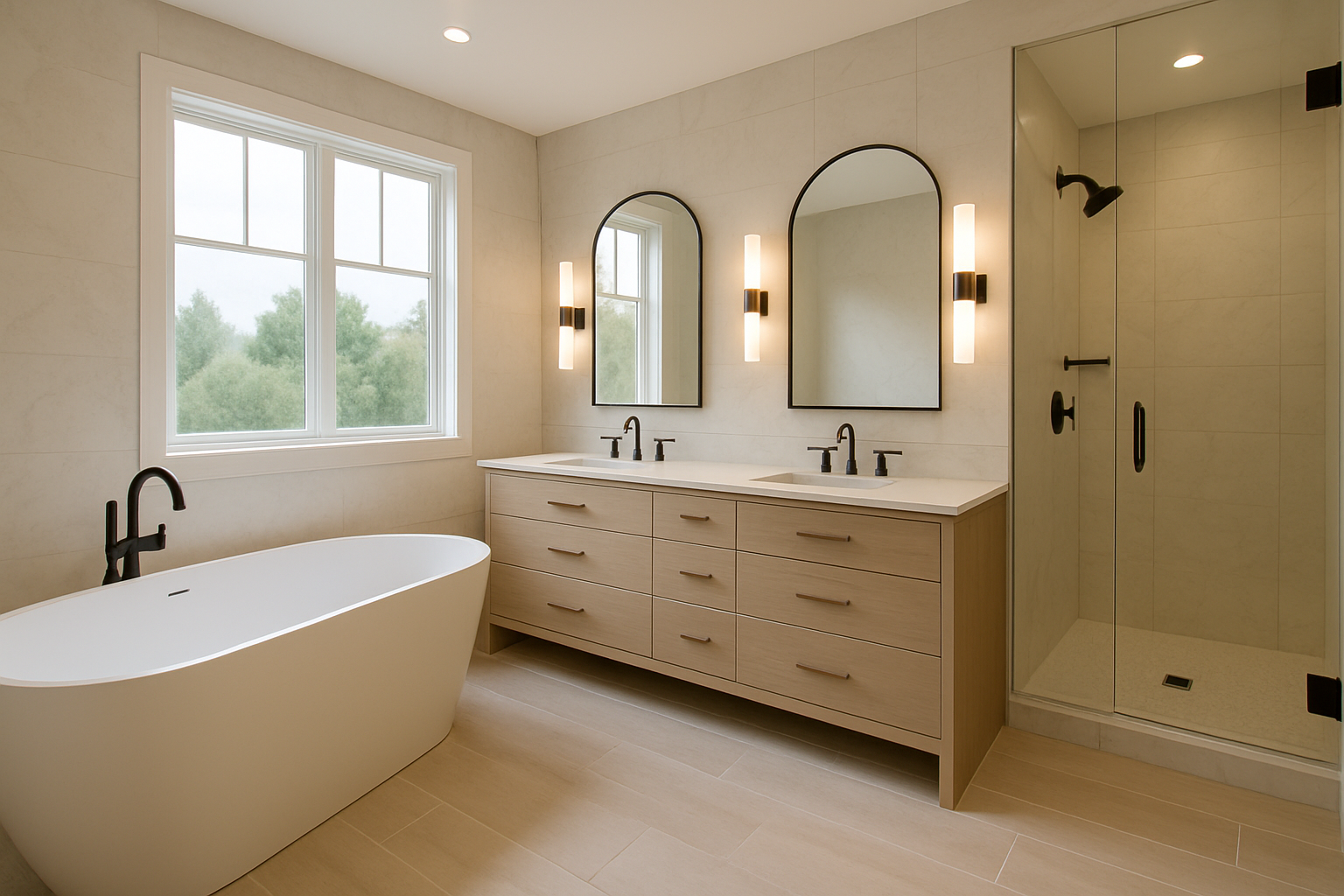
Look, if you're reading this right now, you're probably standing in your bathroom wondering what the hell it's actually going to cost to fix this thing. Maybe you've already gotten a couple quotes that made you choke on your coffee. Maybe you're scared someone's going to take you for a ride. Or maybe you just want some straight answers before you start making calls. I totally get it. Nobody in our industry wants to talk real numbers. Everyone hides behind "well, it depends" and then changes the subject. But that's garbage. You deserve to know what you're actually looking at. So let's talk real money. Here's the Deal A bathroom remodel in Scottsdale is going to run you somewhere between $18,000 and $60,000 for a normal sized bathroom. Yeah, I know that's a big range. But hear me out, because it's not some BS cop-out answer. The range is that wide because what YOU choose matters way more than almost anything else in determining your final price. What Actually Costs Money in a Bathroom Remodel Here's how the money breaks down. Labor eats up about 40-50% of what you'll spend. We're talking plumbers, electricians, tile guys, carpenters. In Scottsdale, good labor isn't cheap. And honestly? You don't want cheap labor. That contractor who's charging half what everyone else charges? He's either new, or he's cutting corners. Either way, you're screwed. Materials are the other 50-60%. And this is where you have the most control. You can tile your shower with $4 ceramic tile or $30 natural stone. You can put in a $400 vanity from Home Depot or a $4,000 custom piece. They both work. But you're only going to love one of them. Three Real Budget Levels (No Fluff) Let me break this into three actual categories based on what we see every day. The Basic Job: $18,000-$28,000 This is where you start if you want a real remodel by actual professionals. You're keeping everything where it is no moving pipes or wiring. You're using good materials, but nothing fancy. Ceramic tile, not stone. Stock vanity, not custom. Solid fixtures that won't give you problems, but they're not going to wow anyone either. Here's what you get: New tile everywhere, new vanity, new toilet, new shower fixtures, better lights, fresh paint. It looks clean, it works great, and it'll last you 15-20 years easy. Here's what you don't get: Moving walls around, making the space bigger, fancy finishes, anything custom, or that insane rainfall shower setup you saw on some HGTV show. The Sweet Spot: $28,000-$45,000 This is where most people end up, and for good reason. You've got enough room in the budget to actually make some choices you care about. At this level, maybe you move a couple fixtures around. Maybe you steal some space from that useless linen closet to make your shower bigger. Maybe you push out a wall. You're using nicer stuff porcelain or stone tile, semi-custom vanities, fixtures that actually have some personality. You can do heated floors. You can get that frameless glass shower. You can put in the freestanding tub if that's your jam. You're making decisions based on what you actually want, not just what won't break the bank. Going All Out: $45,000-$85,000+ Now we're building something special. Maybe you're combining two bathrooms into one killer master suite. Maybe you want a steam shower, radiant heat under everything, custom tile work that looks like art, natural stone everywhere you look. This is designer territory. Every single detail matters. Your fixtures are statement pieces. Your tile might come from Italy. You're not just redoing a bathroom you're creating something you'll walk into every morning and feel good about. What Makes Your Price Go Up (The Stuff Nobody Tells You) Let me be straight with you about what's actually expensive. Moving plumbing costs a fortune. Every time you relocate a toilet, tub, or sink, we've got to reroute all the pipes. That means opening up walls. More drywall. More tile. More labor. More everything. Keep your fixtures close to where they are now and you'll save $3,500 to $9,000 easy. Demo and trash aren't free. Tearing out your old bathroom and getting rid of all that crap costs real money. Plan on $1,800 to $3,500 just for that part. Your tile choices matter big time. Not just what the tile costs, but what it costs to install. Those big tiles everyone wants? More expensive to put in. Fancy patterns? Way more expensive. That herringbone look you're drooling over? Add 50% to your labor bill right there. Arizona throws some curveballs. The desert does weird things. Ventilation requirements are different here. Our hard water destroys cheap fixtures and finishes, so quality actually matters more than in other places. Summer heat affects how we can install materials. Good Scottsdale contractors know this stuff and price accordingly. You're going to find problems. I'm not trying to scare you, but I'm also not going to lie. Set aside 10-15% extra for surprises. Old bathrooms hide water damage, sketchy electrical work, foundation settling, all kinds of fun stuff you only find once the walls are open. Why Scottsdale Costs What It Costs Scottsdale isn't cheap, and there are legit reasons for that. You're paying for contractors who know desert construction inside and out. Who understand how to deal with our ridiculous hard water. Who can navigate building codes and HOA rules that can be a total nightmare. You're also paying for people who get the level of quality Scottsdale expects. This isn't tract home work. It's custom remodeling that needs to match the standard around here. Bottom Line A real bathroom remodel in Scottsdale starts around $18,000 for a solid, basic job and can hit $60,000 or way more if you're doing something high end. Most people spend $28,000 to $40,000 to get what they actually want, not just what they can technically afford. Figure out what matters to you before you start. Are you selling soon or staying forever? Do you actually take baths or is that tub wasted space? Will you really use those body jets or are they just going to get gross? Get three solid quotes from licensed contractors. Ask questions. Don't let anyone dodge talking about real numbers. And remember the cheapest bid is almost never the best deal. You use your bathroom every single day. It's worth doing right. At KC Krew Design & Build, we believe in being straight with people about what stuff actually costs. Because the worst surprise is the one that shows up on your bill at the end. KC KREW | Design-Build-Renovate Custom Home Remodeling & Renovations Serving Scottsdale, Paradise Valley, Phoenix & Arcadia. Licensed, Bonded & Insured General Contractor
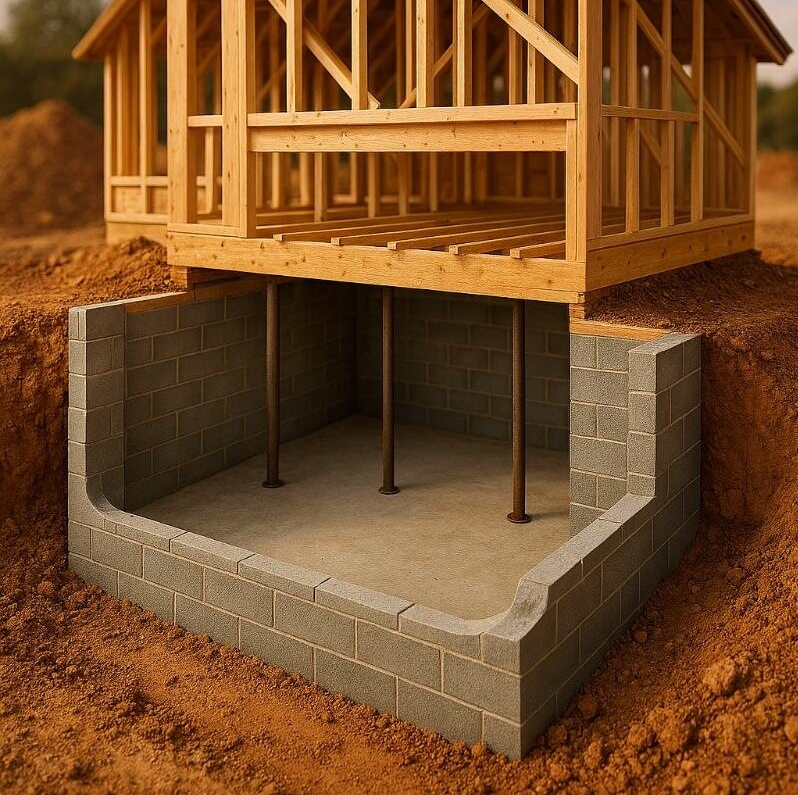
Here's What Homeowners Need to Know Look, I get it. You're sitting at your kitchen table in Scottsdale or Paradise Valley, sketching out ideas for more space, and someone tosses out the basement idea. Maybe it was your spouse. Maybe your neighbor in Arcadia mentioned their cousin in Michigan has this amazing finished basement, and suddenly you're thinking wait, why don't we do that? And then comes the million-dollar question (sometimes literally): " Can you even build a basement in Arizona?" Here's the straight answer from a contractor who's been doing home renovations and custom builds across the Phoenix metro area for years: Yes, you absolutely can . But here's the part no builder wants to tell you upfront: it's probably going to cost you a whole lot more than you think. And no, it's not the cheaper alternative to building up or out even though it really feels like it should be. I'm going to walk you through exactly why that is, what you're really paying for when working with a basement contractor, and most importantly, when a basement addition actually makes sense for your Arizona home. Why Everyone Assumes Basements Are Cheaper (And Why That's Not True in Phoenix) Let's start with where this idea comes from, because it's totallyunderstandable. If you've ever lived in the Midwest, Northeast, or pretty much anywhere it snows, basements are just... normal. They're everywhere. In those places, homebuilders have to dig down below the frost line anyway — sometimes 4 or 5 feet deep — so the foundation doesn't shift and crack when the ground freezes and thaws. Since they're already down there with the excavators, it's not a huge leap to say, "Hey, let's dig a little deeper and turn this into livable space." The infrastructure's already being built. The hole's already being dug. Makes sense, right? Arizona is completely different. We don't have frost lines here in Phoenix, Scottsdale, Gilbert, or anywhere in the Valley. Our foundations are typically slab-on-grade, meaning they sit right on top of the soil with minimal excavation. We're not digging deep by default. So when you decide you want a basement in Paradise Valley or Arcadia, you're not just adding a little extra depth to something that was already happening. You're creating an entirely new underground structure — from scratch. With all the engineering, waterproofing, and excavation costs that come with it. That's why homeowners are shocked when they get the estimate from their remodeling contractor. What Actually Drives Up the Cost of a Phoenix Basement Addition Let me break down what you're really paying for when you work with a basement builder, because once you see it laid out, it starts to make a lot more sense. 1.Engineering and Permits (And a Whole Lot of Paperwork) When you build a basement in Arizona, you're not just digging a hole and pouring some concrete. You need structural engineers to design retaining walls that can handle the soil pressure. You need geotechnical reports to understand what's actually under your property — because Arizona soil is notoriously tricky, whether you're in Scottsdale, Phoenix, or Paradise Valley. Then there's the city. Reviewers in Scottsdale, Phoenix, and surrounding areas want to see detailed plans for waterproofing, drainage, and structural support. This isn't a standard slab foundation they see every day from your typical home builder. It's specialized, and that means extra scrutiny. What it cost: Typically, somewhere between $5,000 and $15,000, sometimes more depending on your lot and how complex the design is. 2. Excavations and Hauling Away All That Dirt Okay, so you've got your plans approved. Now comes the fun part: actually digging the hole. To get a standard 9-foot basement ceiling height, you're removing a massive amount of soil. We're talking dump truck after dump truck. And guess what? That dirt doesn't just disappear. It has to be hauled away, and you have to pay disposal fees for it. Oh, and if your lot has caliche — that rock-hard layer of calcium carbonate that's basically Arizona concrete — you might need jackhammers or even blasting equipment. (Yes, really.) This is especially common in older Arcadia neighborhoods and parts of Paradise Valley. Anywhere from $25,000 to $50,000 just for excavation and hauling, before you even pour the concrete. 3. Waterproofing and Drainage (Because Arizona Soil Is Sneaky) Here's something most Phoenix homeowners don't realize: Arizona might be dry most of the year, but when monsoon season hits, our clay soils are expansive. That means they swell when they get wet, putting pressure on your basement walls.Without proper waterproofing — think heavy-duty membranes, exterior coatings, and perimeter drainage systems — you're setting yourself up for cracks, leaks, and moisture problems down the road. Any experienced remodeling contractor will tell you this is not the place to cut corners.Even though we don't get the constant groundwater issues you'd see in wetter climates, you can't skip this step. Not if you want your basement to last. Budget around $10,000 to $20,000 for professional-grade waterproofing and drainage. 4. Egress and Safety Requirements (Because Building Codes Don't Mess Around) Let's say you're planning to use your basement as a guest suite, home theater, or game room. If anyone's going to be spending time down there — especially sleeping — you need emergency exits. This applies whether you're building in Scottsdale, Gilbert, or anywhere in the Phoenix metro area. That means egress windows (those big windows that open wide enough for someone to climb out) or exterior stairwells. Each bedroom or habitable space needs one, and they're not cheap to install. A quality general contractor will make sure these meet code the first time. What it costs: Figure on $3,000 to $10,000 per egress point, depending on how much cutting, framing, and grading is involved. 5. HVAC, Electric, Plumbing, and Finishes Once your basement is watertight and structurally sound, you still have to make it livable. That means extending your HVAC system (basements need climate control just like the rest of your house especially during Phoenix summers). Running new electrical and plumbing. Installing insulation, drywall, flooring, lighting, and all the finishes that make it feel like an actual room instead of a concrete bunker.All told, when you add up every phase from dirt removal to the final coat of paint. Arizona basements typically cost 50% to 80% more per square foot than a comparable above-ground home addition. Yeah. I know. So When Does a Basement Make Sense for Phoenix Area Homeowners? I don't want you to think I'm trying to talk you out of a basement renovation. I'm not. We've built them across Scottsdale, Paradise Valley, and Phoenix, and when they're done right, they're amazing. But they make the most sense in specific situations: You have a sloped lot. If your property has natural elevation changes (common in parts of Paradise Valley and north Scottsdale), you might be able to do a walkout basement, which dramatically reduces excavation and egress costs. You want something truly unique. Wine cellars. Home theaters with perfect acoustics. Temperature-controlled storage. Private gyms. Basements offer design possibilities you just can't replicate with a standard room addition. Your lot is maxed out. Maybe you're in an established Arcadia neighborhood with strict setback requirements or lot coverage limits. Going down might be your only option for adding square footage without a full home remodel. You're thinking long-term. Basements add serious wow-factor and resale value in Arizona because they're rare. If you're building your forever home in Phoenix or Scottsdale and want something special, it can be worth the investment. What Are Your Other Options for Home Additions? For most Phoenix, Scottsdale, Paradise Valley, Arcadia, and Gilbert homeowners, there are two alternatives that often make more financial sense when planning a home renovation: A ground-level addition. This flows naturally with your existing floor plan, doesn't require excavation or specialized waterproofing, and usually permits faster. Most general contractors can complete these more efficiently than basement projects. A second-story addition. If you've got a solid foundation and your neighborhood allows it, building up gives you extra square footage plus the potential for killer views of Camelback Mountain, the McDowell Mountains, or the Phoenix skyline. And views sell homes. This is especially popular in Paradise Valley and north Scottsdale. Both options typically involve less complexity, fewer unknowns, and lower engineering costs than going underground. Our Honest Take at KC KREW as Your Phoenix Area Home Remodeling Contractor Here's the thing: we're not here to steer you toward the project that's easiest for us as a builder. We're here to help you make the smartest decision for your home, your budget, and your lifestyle — whether you're in Gilbert, Arcadia, Scottsdale, Phoenix, or Paradise Valley. If a basement is what you really want — if you can see yourself hosting movie nights in that underground theater or showing off your custom wine room to friends — then let's do it right. As your design-build contractor, we'll handle the engineering, manage the permits, and make sure every detail is dialed in. But if you're mainly looking at a basement because you assumed it would be cheaper than other home renovation options? We're going to have that honest conversation with you first. Because the last thing we want is for you to be blindsided by costs halfway through the project. That's what we mean when we say we build smart from the start. The Bottom Line on Arizona Basement Construction Can you build a basement in Arizona? Absolutely. Is it going to be the budget-friendly option you hoped for? Probably not. Between excavation, engineering, waterproofing, and all the finish work, Arizona basements are typically a premium feature, not a cost-saver compared to other home additions or remodeling projects. But if you go in with your eyes open, with realistic expectations and a solid plan with an experienced general contractor, a basement can be one of the most distinctive, functional, and impressive spaces in your Phoenix area home.Whether you end up building down, up, or out with your home renovation, the most important thing is that you understand what you're getting into before that first shovel hits the dirt.And if you want to talk through your options for your Scottsdale, Paradise Valley, Phoenix, Arcadia, or Gilbert home — no pressure, no sales pitch, just straight answers from a contractor who's been there that's exactly what we're here for. Looking for a trusted home remodeling contractor in the Phoenix area? At KC KREW, we specialize in custom home additions, basement construction, second-story additions, and complete home renovations throughout Scottsdale, Paradise Valley, Phoenix, Arcadia, and Gilbert. As a full-service design-build contractor, we help homeowners navigate every decision with transparency and expertise. Let's figure out what makes sense for you and your home. KC KREW | Design-Build-Renovate Custom Home Remodeling & Renovations Serving Scottsdale, Paradise Valley, Phoenix & Arcadia. Licensed, Bonded & Insured General Contractor
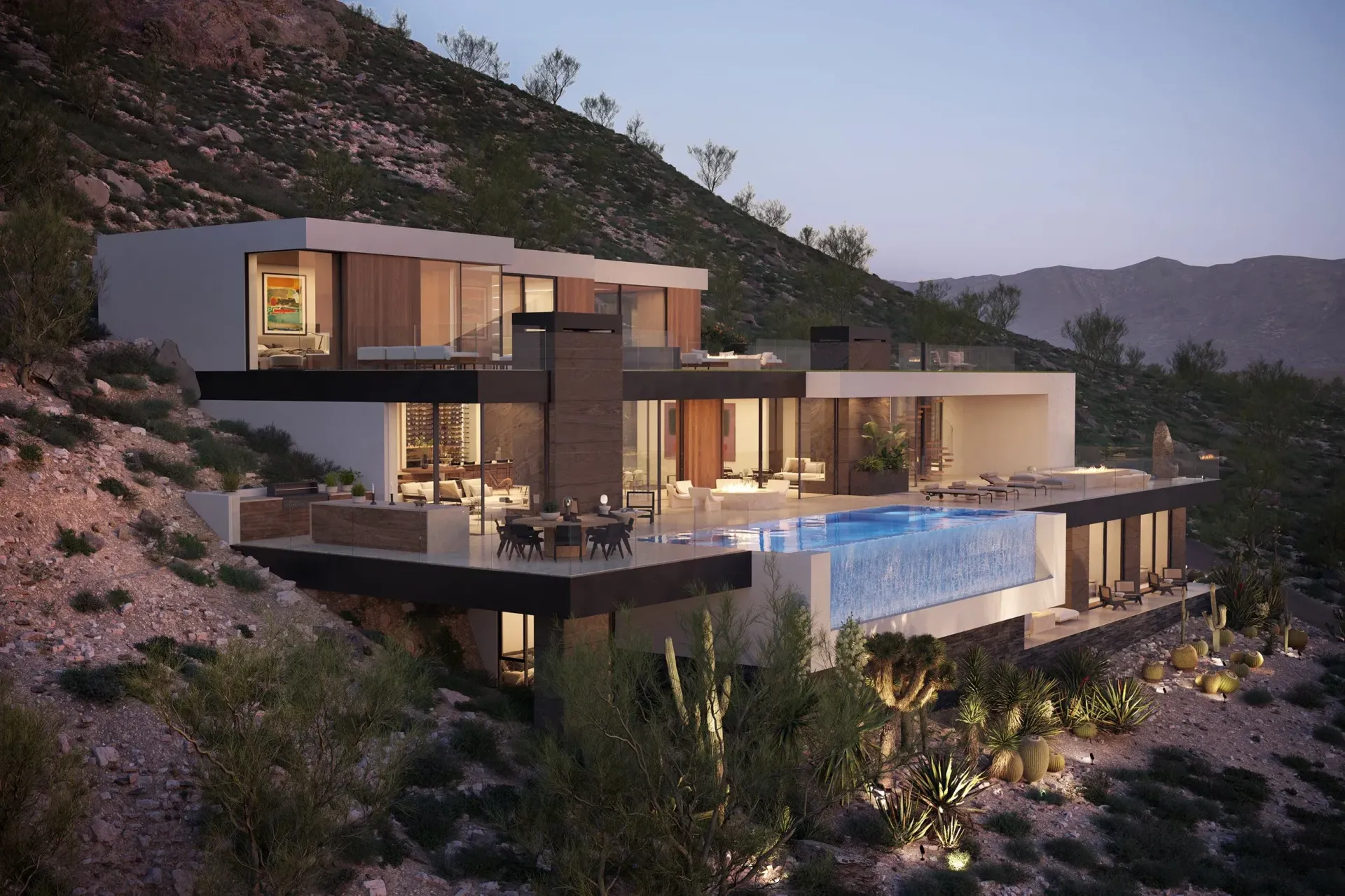
If you’re living in Scottsdale or Phoenix, you already know—luxury here looks different. It’s not just about square footage or marble countertops. It’s about effortless comfort, seamless indoor-outdoor living, and spaces that feel like a private retreat in the desert. At KC KREW, we specialize in remodeling homes with high-end finishes and thoughtful details that feel custom-built for the Arizona lifestyle. Whether you’re upgrading your existing space or designing a full luxury remodel, here are the top features we’re building into Scottsdale and Phoenix homes in 2025. Glass Wine Rooms: Functional & Show-Stopping Wine fridges are great—but in 2025, glass-enclosed wine rooms are taking center stage. These climate-controlled spaces not only preserve your wine collection but also serve as a bold, beautiful design feature. Frameless glass enclosures add a modern, gallery-like vibe Custom shelving with backlit displays creates ambiance Integrated cooling systems keep everything at the perfect temperature Whether you live in a contemporary Phoenix home or a luxury Scottsdale estate, we’ll help you create a wine room that blends style and storage seamlessly. Spa-Like Bathrooms That Feel Like a Resort Luxury homeowners across Phoenix and Scottsdale are leaning into bathrooms that feel like private spas—places to unwind, reset, and indulge in everyday comfort. What’s trending: Oversized walk-in showers with multiple shower heads and steam features Freestanding soaking tubs with views of the desert or private courtyards Heated floors, towel warmers, and smart mirrors Natural stone, textured tile, and layered lighting for a high-end finish From Arcadia to North Scottsdale, we design bathrooms where you’ll actually want to slow down—whether you're starting your day or winding it down in style. Indoor/Outdoor Living Walls & Natural Touches Nature is the ultimate luxury—especially in Arizona. That’s why living walls and biophilic design are showing up in more upscale remodels throughout Scottsdale and Phoenix. These lush, vertical gardens add beauty, texture, and a calming effect to any space. Great for entryways, courtyards, and even bathroom accent walls Can be live (with irrigation) or low-maintenance preserved greenery Complements clean, modern architecture in the desert We often pair these features with large sliding doors or breezeways, so your home flows naturally between indoor and outdoor spaces. Infinity-Edge Pools & Outdoor Retreats In Phoenix and Scottsdale, outdoor living is a must—so more homeowners are turning their backyards into resort-style retreats. Luxury outdoor features we’re building in 2025: Infinity-edge or zero-entry pools for a seamless desert view Outdoor kitchens with built-in grills, fridges, and pizza ovens Fire features and covered lounge areas Integrated lighting, audio, and misting systems for year-round use Whether you’re in Desert Mountain, Paradise Valley, or Central Phoenix, KC KREW can design outdoor living that feels like a five-star getaway—without leaving home. Ready to Elevate Your Home? Luxury isn’t just about what a home looks like—it’s about how it lives. Whether you're dreaming of a spa bathroom, wine showcase, or a jaw-dropping backyard, KC KREW is your high-end remodeling partner in Scottsdale and Phoenix. KC KREW | Design-Build-Renovate Custom Home Remodeling & Renovations Serving Scottsdale, Paradise Valley, Phoenix & Arcadia. Licensed, Bonded & Insured General Contractor
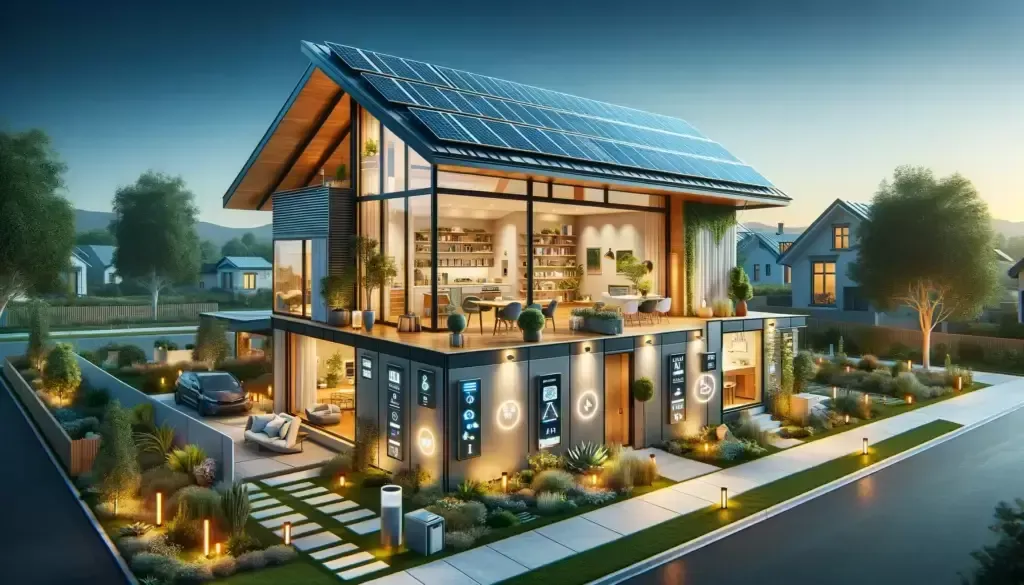
Thinking about remodeling your home in 2025? Whether you’re refreshing a kitchen, updating your living room, or starting from scratch, one thing’s for sure: smart home features aren’t just “nice-to-haves” anymore—they’re expected. At KC KREW , we help homeowners across Scottsdale and Phoenix design remodels that make sense for modern living. And in a city where we spend so much time managing the heat, entertaining guests, and maximizing efficiency, smart home upgrades can make a big difference in how your home functions day-to-day. Thermostats & Climate Control Let’s start with what every Valley homeowner battles: HEAT A smart thermostat learns your habits, adjusts the temperature automatically, and lets you control your HVAC from anywhere. With power bills on the rise in Phoenix and Scottsdale, this small upgrade can have a big impact. Top features: Voice control (Alexa, Google Home compatible) Zoning and room-by-room adjustments Remote access through your smartphone Energy-saving insights and usage reports KC KREW Tip: We often pair smart thermostats with insulation and window upgrades for a complete energy-efficiency remodel. Smart Lighting for Function & Mood Gone are the days of simple on/off switches. Smart lighting lets you control brightness, set moods and schedule lights based on your daily routine or travel sc hedule. Here’s how we help our clients use it: Scene lighting in kitchens and bathrooms (think: “cooking,” “relax,” “evening” modes) Motion-activated lighting for closets, pantries, and hallways Outdoor lighting with timers and security integration We recommend integrating lighting controls into a central app or wall panel so your whole system is intuitive—not overwhelming. Home Security & Surveillance Security is a top priority for many Scottsdale and Phoenix homeowners—especially for those with seasonal homes or frequent travel. Smart home security systems can include: Doorbell cameras Window and door sensors Motion-triggered alerts Remote locking/unlocking 24/7 surveillance and mobile notifications Whether you’re in Arcadia, Desert Ridge, or North Scottsdale, KC KREW can help design a system that fits your layout and lifestyle. Home Automation & Integration The magic of a smart home is in how everything works together. Imagine walking in and your lights, thermostat, and music adjust automatically. Or setting a “vacation” mode that manages everything while you’re away. Popular integrations include: Smart blinds that adjust with the sun Voice-controlled entertainment systems App-based garage doors and irrigation systems Custom presets for morning and bedtime routines Whether you're remodeling a single room or your entire home, we help you plan for automation from the start—so you get the tech without the tangle. Ready to Remodel Smarter? Smart home features are no longer futuristic they're today’s standard. And in Scottsdale and Phoenix, where energy efficiency and convenience matter, integrating smart tech into your remodel is one of the best ways to improve how your home looks and functions. At KC KREW, we work with trusted electricians and system integrators to make your home feel streamlined, secure, and ahead of the curve. KC KREW | Design-Build-Renovate Custom Home Remodeling & Renovations Serving Scottsdale, Paradise Valley, Phoenix & Arcadia. Licensed, Bonded & Insured General Contractor
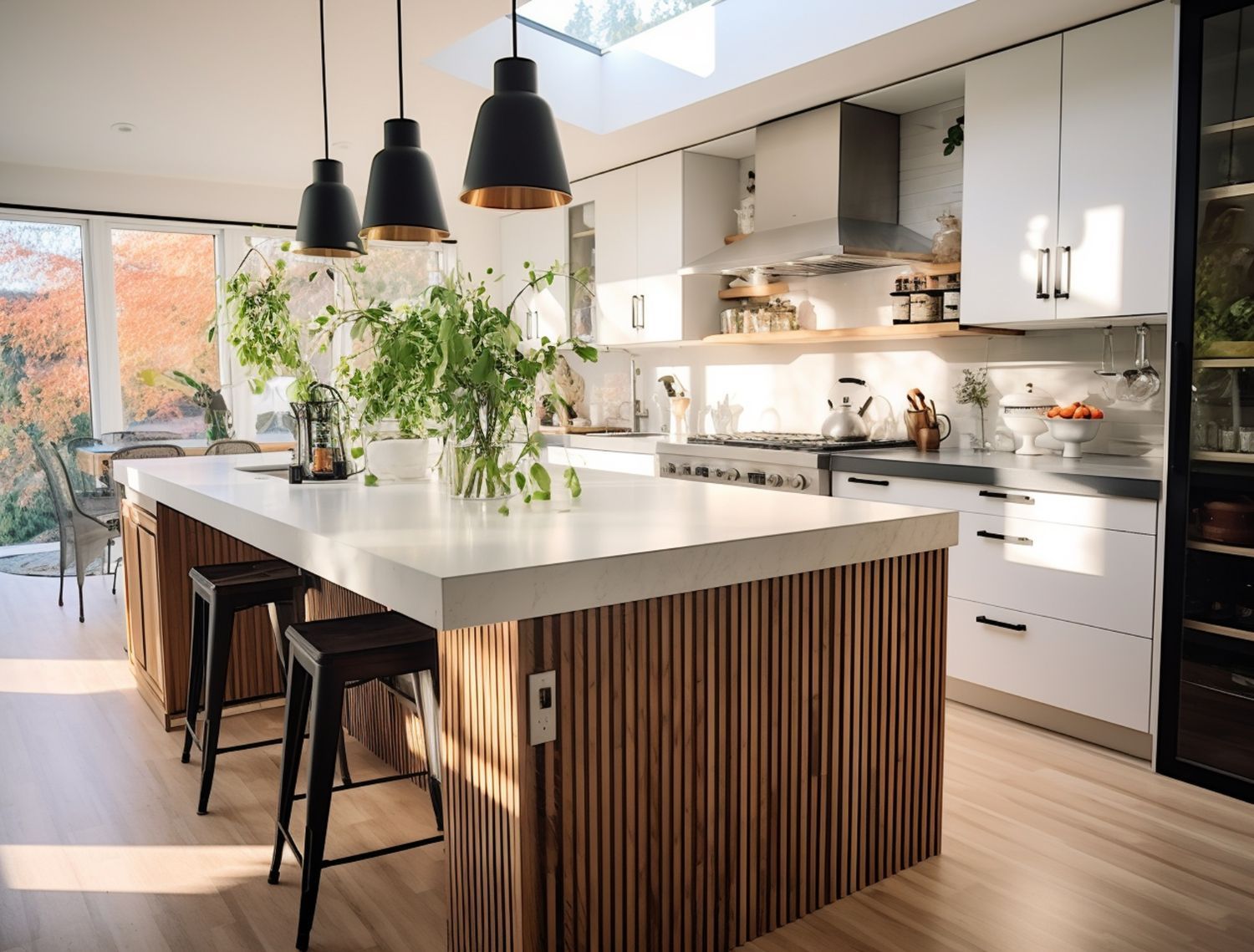
Thinking about remodeling your kitchen this year? You’re not alone—Scottsdale homeowners are investing in kitchen makeovers more than ever, and for good reason. A smart remodel can completely transform how you cook, entertain, and live, while also increasing your home’s value. At KC KREW , we specialize in remodeling kitchens that work beautifully for life in the Valley—stylish, functional, and built for the Arizona lifestyle. Here’s what you need to know before getting started. Kitchen Remodel Costs in Scottsdale Let’s talk numbers. Kitchen remodels aren’t cheap, but they are one of the most rewarding upgrades you can make—if you do it right. What to Expect: Mid-range remodel: $45,000–$75,000 Includes updated cabinets, counters, flooring, appliances, and layout tweaks. High-end remodel: $85,000–$150,000+ Includes custom cabinets, luxury finishes, top appliances, and reconfiguring space. Your total cost depends on: Kitchen size Layout changes Finish and appliance selections Whether walls, plumbing, or electrical need to be moved KC KREW Tip: We’ll help you set a smart budget and prioritize where to invest—so you get lasting value without surprise costs. Kitchen Design Trends in Scottsdale Design trends in Arizona are shifting toward warmth, comfort, and modern efficiency. Here are a few we’re loving right now: 1. Natural Materials & Warm Tones White kitchens are taking a backseat. Think wood cabinetry, quartzite counters, and matte finishes in earth tones that work perfectly in the desert. 2. Big, Functional Islands Large islands are still the star. Some homeowners are adding double islands—one for prep, one for entertaining—with built-in drawers, beverage coolers, and power outlets. 3. Statement Lighting Oversized pendants, backlit shelves, and sculptural range hoods are making kitchens feel more custom and high-end. 4. Smart Kitchen Tech Touch-less faucets, app-controlled ovens, and smart fridges are now standard in luxury kitchens—and perfect for busy households. Layout Ideas That Work in Arizona Homes A great kitchen isn’t just about finishes—it’s about flow. Especially in Scottsdale, where open layouts and indoor-outdoor living are part of everyday life. Some layout ideas to consider: Open concept with defined zones: Keep things airy, but organize cooking, prep, and dining into usable areas. Pantry walls or hidden prep spaces: Butler’s pantries are a growing trend—ideal for coffee bars, extra storage, or messy prep. Outdoor connection: Add a pass-through window or sliding doors to connect your kitchen with the backyard or patio. KC KREW Tip: We’ll help you design a space that’s stylish and smart—so your kitchen looks amazing and works for your family’s daily life. Let’s Build the Kitchen You’ve Been Dreaming of Kitchen remodeling in Scottsdale isn’t just about updating your space—it’s about creating a home that feels more functional, beautiful, and truly yours. From budget planning to layout design to finishing touches, KC KREW is your expert guide from start to finish! KC KREW | Design-Build-Renovate Custom Home Remodeling & Renovations Serving Scottsdale, Paradise Valley, Phoenix & Arcadia. Licensed, Bonded & Insured General Contractor
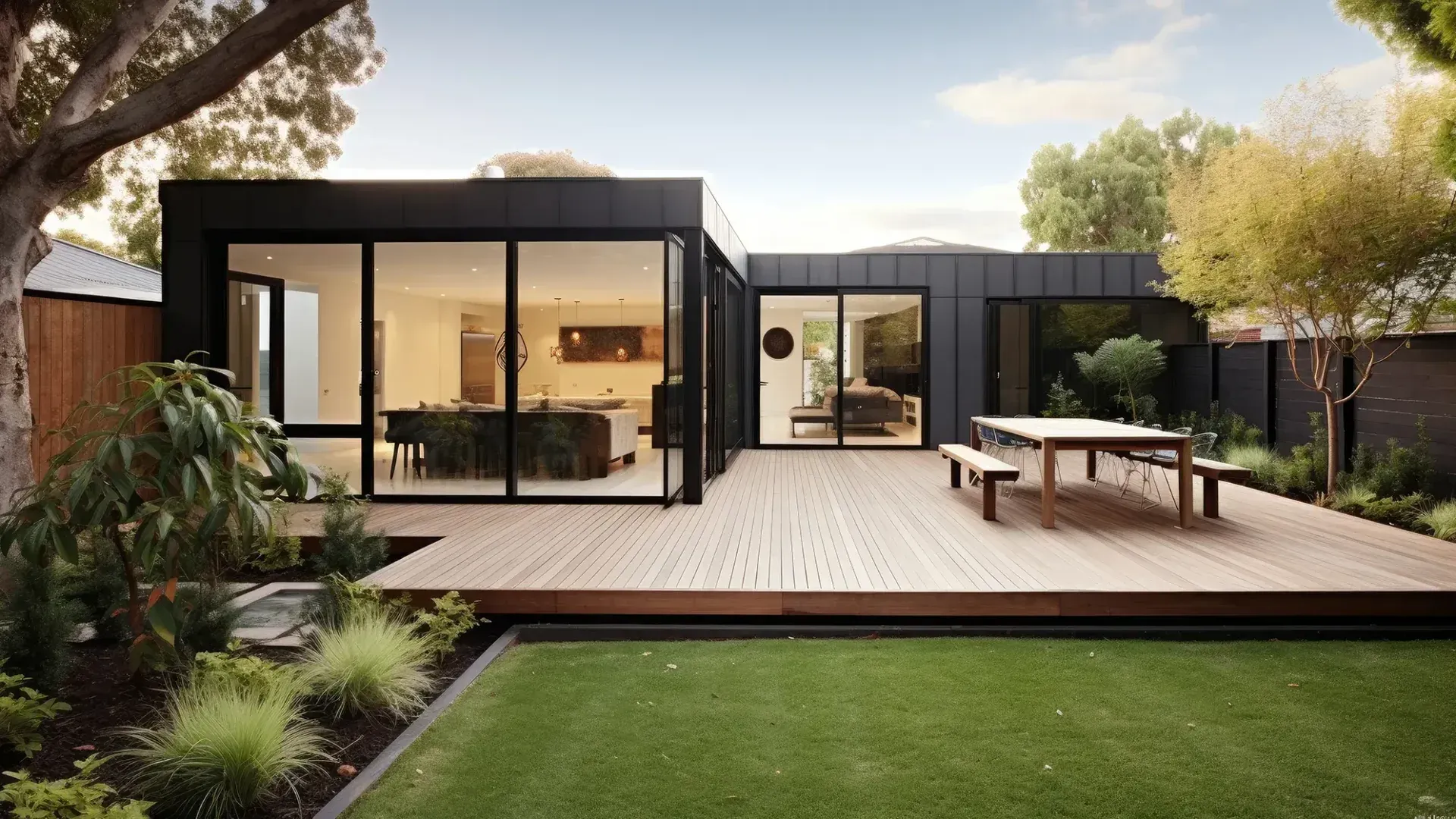
So, you're thinking about adding more space to your home maybe a new bedroom, home office, or even a guest suite? That’s a smart move. A well designed home addition can give you the room you need and boost your property value. But before you break ground, there are a few key things to understand especially here in Scottsdale and Phoenix, where zoning laws and HOA rules can get a little tricky. At KC KREW , we’ve helped plenty of Arizona homeowners plan and build smart additions that make life more comfortable without running into avoidable roadblocks. Here’s what we think every homeowner should know before getting started. 1. Understand Local Rules: Zoning, Setbacks & What You’re Allowed to Build First things first—just because you own the land doesn’t mean you can build anything you want on it. Every city, including Scottsdale, has zoning laws that tell you what’s allowed on your lot. Here’s what to watch for: -Setbacks – These are the minimum distances your structure has to stay away from property lines. Common setbacks in Scottsdale might be 7 feet on the sides and more in the front or rear. -Lot coverage – This is the total percentage of your lot that can be covered by structures. Going over that limit? That’s a red flag. -Height restrictions – Adding a second story? That may trigger extra review, especially in HOA communities. The good news? You don’t have to figure this out alone. At KC KREW , we check your property’s zoning and lot coverage for you during the planning process. It saves you time—and potential headaches later. 2. Permits, Inspections & HOA Rules—Don’t Skip the Paperwork We get it—permits and paperwork aren’t exciting. But they’re absolutely necessary. And yes, you need permits for almost any type of home addition in Scottsdale or Phoenix. Here’s what you’ll usually need: A building permit from the city Official plans drawn by a contractor or architect Inspections at different phases of construction Cutting corners here can lead to delays, fines, or problems if you ever want to sell your home. And if you’re in a neighborhood with a homeowners’ association (HOA)? You’ll need their sign-off too. Most HOAs require approval for any visible changes to your home—materials, paint color, rooflines, and even landscaping might be regulated. At KC KREW , we handle all of this for you—from permit applications to dealing with the HOA board. That way, you can focus on the fun part: the design. 3. Plan a Smart, Beautiful Addition That Adds Real Value This is where it gets exciting. A home addition isn’t just about extra square footage—it’s about improving the way you live in your home. The best additions feel like they were always part of the original layout. A few pro tips: Match the style – Your addition should blend with the architecture, materials, and layout of your current home. Think long-term use – Is this space going to serve your family for years? Can it flex into something else down the road (like a home office that could become a nursery)? Build for Arizona – Our desert climate makes energy efficiency crucial. We recommend features like high-performance windows, extra insulation, smart thermostats, and thoughtful window placement to reduce heat gain. Some of the most popular additions we see in Scottsdale and Phoenix include: Primary bedroom suites with spa-style bathrooms Detached casitas or guesthouses Expanded kitchens and great rooms Garage conversions or home gyms KC KREW designs with both comfort and resale value in mind , so your investment works for you now and later. Let’s Build Something You’ll Love Adding onto your home is a big project—but it doesn’t have to be overwhelming. With the right planning, permits, and expert design, you can create a space that’s functional, beautiful, and 100% Scottsdale-approved. At KC KREW , we handle every step—from zoning checks to final walk throughs, so you can build with confidence. Ready to get started? Contact KC KREW today! Let’s build something great—right where you are!
So, you're thinking about adding more space to your home maybe a new bedroom, home office, or even a guest suite? That’s a smart move. A well designed home addition can give you the room you need and boost your property value. But before you break ground, there are a few key things to understand especially here in Scottsdale and Phoenix, where zoning laws and HOA rules can get a little tricky. At KC KREW , we’ve helped plenty of Arizona homeowners plan and build smart additions that make life more comfortable without running into avoidable roadblocks. Here’s what we think every homeowner should know before getting started. 1. Understand Local Rules: Zoning, Setbacks & What You’re Allowed to Build First things first—just because you own the land doesn’t mean you can build anything you want on it. Every city, including Scottsdale, has zoning laws that tell you what’s allowed on your lot. Here’s what to watch for: -Setbacks – These are the minimum distances your structure has to stay away from property lines. Common setbacks in Scottsdale might be 7 feet on the sides and more in the front or rear. -Lot coverage – This is the total percentage of your lot that can be covered by structures. Going over that limit? That’s a red flag. -Height restrictions – Adding a second story? That may trigger extra review, especially in HOA communities. The good news? You don’t have to figure this out alone. At KC KREW , we check your property’s zoning and lot coverage for you during the planning process. It saves you time—and potential headaches later. 2. Permits, Inspections & HOA Rules—Don’t Skip the Paperwork We get it—permits and paperwork aren’t exciting. But they’re absolutely necessary. And yes, you need permits for almost any type of home addition in Scottsdale or Phoenix. Here’s what you’ll usually need: A building permit from the city Official plans drawn by a contractor or architect Inspections at different phases of construction Cutting corners here can lead to delays, fines, or problems if you ever want to sell your home. And if you’re in a neighborhood with a homeowners’ association (HOA)? You’ll need their sign-off too. Most HOAs require approval for any visible changes to your home—materials, paint color, rooflines, and even landscaping might be regulated. At KC KREW , we handle all of this for you—from permit applications to dealing with the HOA board. That way, you can focus on the fun part: the design. 3. Plan a Smart, Beautiful Addition That Adds Real Value This is where it gets exciting. A home addition isn’t just about extra square footage—it’s about improving the way you live in your home. The best additions feel like they were always part of the original layout. A few pro tips: Match the style – Your addition should blend with the architecture, materials, and layout of your current home. Think long-term use – Is this space going to serve your family for years? Can it flex into something else down the road (like a home office that could become a nursery)? Build for Arizona – Our desert climate makes energy efficiency crucial. We recommend features like high-performance windows, extra insulation, smart thermostats, and thoughtful window placement to reduce heat gain. Some of the most popular additions we see in Scottsdale and Phoenix include: Primary bedroom suites with spa-style bathrooms Detached casitas or guesthouses Expanded kitchens and great rooms Garage conversions or home gyms KC KREW designs with both comfort and resale value in mind , so your investment works for you now and later. Let’s Build Something You’ll Love Adding onto your home is a big project—but it doesn’t have to be overwhelming. With the right planning, permits, and expert design, you can create a space that’s functional, beautiful, and 100% Scottsdale-approved. At KC KREW , we handle every step from zoning checks to final walk throughs, so you can build with confidence. KC KREW | Design-Build-Renovate Custom Home Remodeling & Renovations Serving Scottsdale, Paradise Valley, Phoenix & Arcadia. Licensed, Bonded & Insured General Contractor
Adding a bedroom is one of the smartest ways to grow your home’s value and livable space — especially in Arizona, where extra square footage can majorly bump resale. But what does it actually cost? At KC KREW , we build and remodel homes across Scottsdale, Phoenix, and surrounding areas. Here’s what you really need to know. Typical Cost to Add a Bedroom in Arizona Most bedroom additions run between $200 and $350 per sq. ft. So for a 12' x 12' (144 sq. ft.) bedroom, that usually means: Finish Level Estimated Total -Basic Build $28,000 - $35,000 Structure, drywall, basic flooring & electrical. - Mid-Range $35,000 - $45,000 Upgraded flooring, trim, lighting. - High-End $45,000+ Custom windows, built-ins, luxury fixtures. What Drives the Price? Key cost factors: Foundation & excavation: Especially if your lot slopes. Tying into existing HVAC & electrical: May require a panel upgrade. Matching exterior finishes: Stucco, roofing, and paint to blend seamlessly. Permits & plans: Usually $2,000–$5,000 in Arizona. Who Pulls the Permits? We do. As your licensed Arizona contractor, KC KREW handles: -City permits & inspections -Engineering or architectural plans if needed -Scheduling all inspections so your project stays stress-free. This keeps your addition legal & insurable, and protects your investment long term. Will It Pay Off? Absolutely. Going from a 2-bedroom to a 3-bedroom home often jumps your property class, meaning more buyers and higher appraisals. Plus, you get extra livable space that’s custom to your lifestyle. How Long Does It Take? 4–6 weeks for simpler builds 8–10+ weeks if you’re adding custom finishes, big roofline changes, or new HVAC zones. Quick FAQs How does financing work? -Most of our clients use a HELOC (home equity line of credit) or cash-out refinance. We can also connect you with lenders. Is it cheaper to build up or out? -Usually building out is more cost effective — building up often means reinforcing your entire structure. What happens if I build without a permit? -You risk big fines & forced tear-outs. If that’s you — don’t stress. We can help get retroactive permits & inspections to fix it. Why KC KREW ? We’re a woman-owned, Arizona-based general contractor. We live here, build here, and know exactly what your city inspectors expect — so you avoid surprises. Ready for your estimate? Schedule below for a consultation:
Dreaming of a renovation, a new home, or a custom build? Don't break ground before you read this! KC KREW LLC, your trusted general contractor in Chandler, AZ, explains why pre-construction planning is the key to a successful and stress-free project. Learn how meticulous planning translates into cost efficiency, clear communication, risk mitigation, and ultimately, your dream space coming to life. This post also includes FAQs to answer all your questions about pre-construction and KC KREW LLC's services – from renovations to custom homes and garage builds. Contact us today and let's build your dream together! (Call 480-226-2978)


